The Ghost of Gananoque
Gananoque Airport, Ontario
September 2026
|
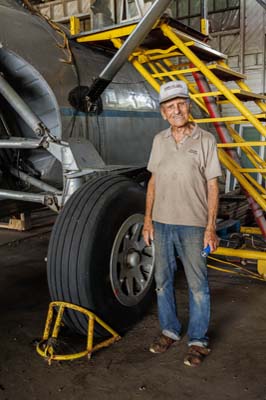 |
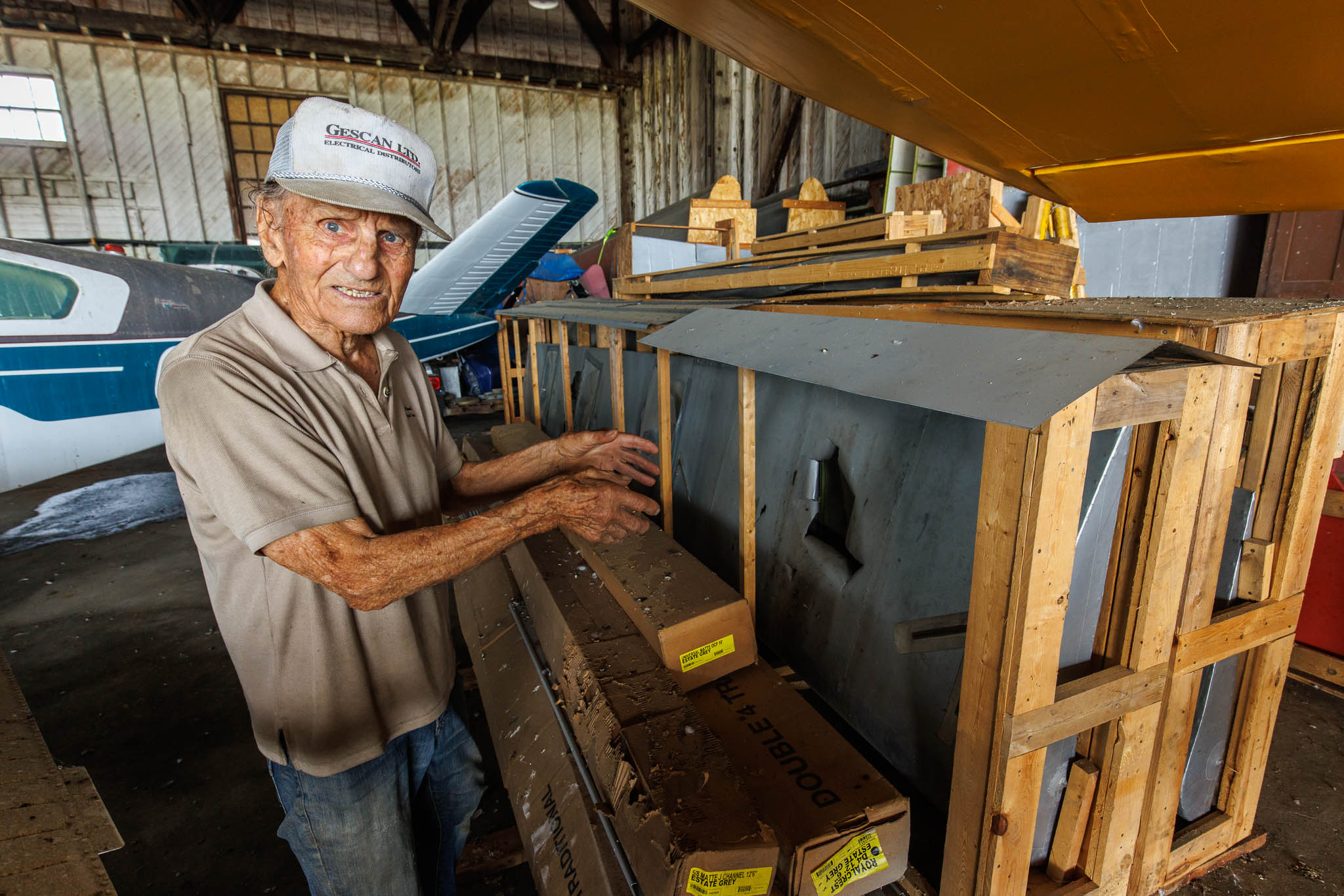
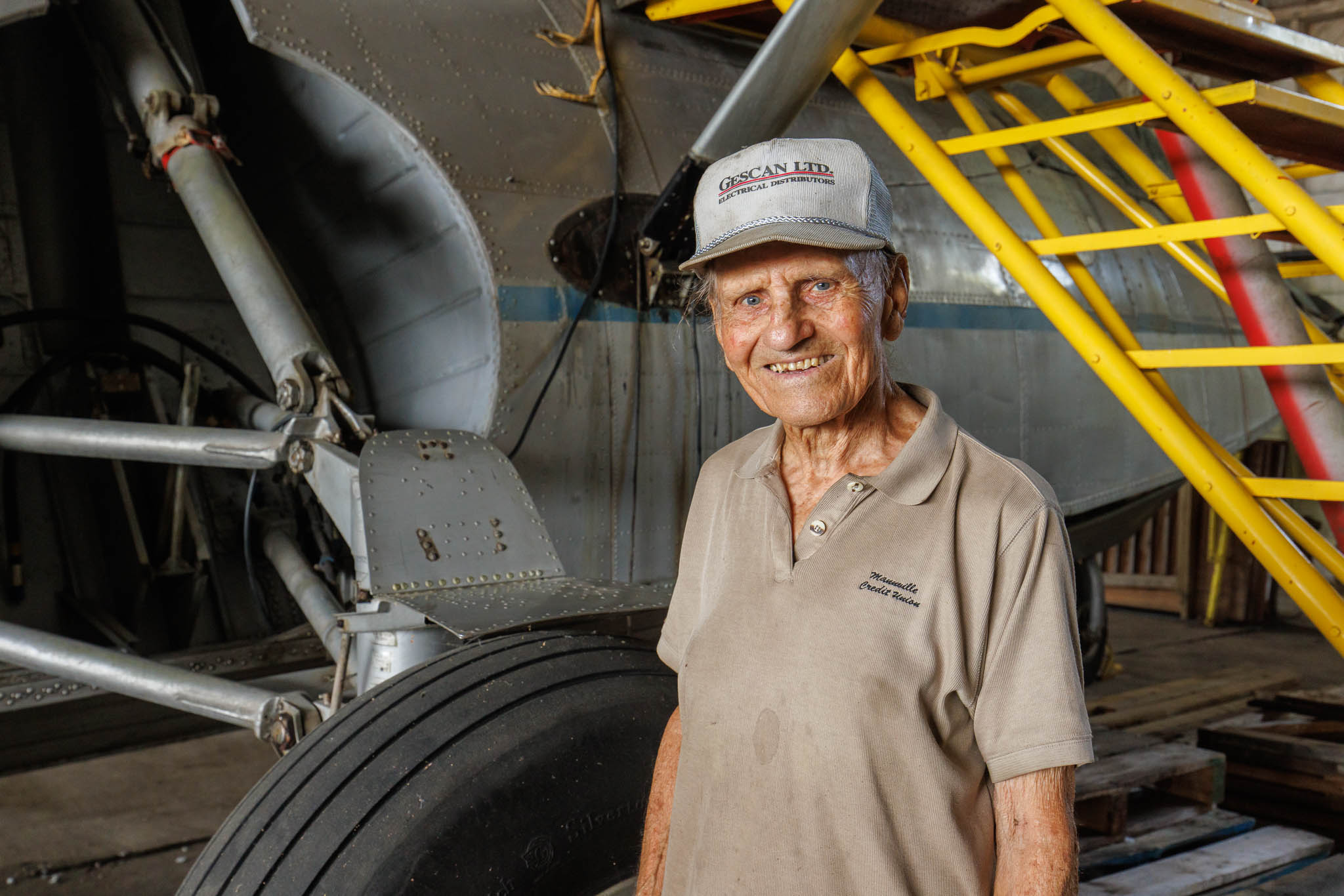
David Dorosh reluctantly standing next to his Canso. |
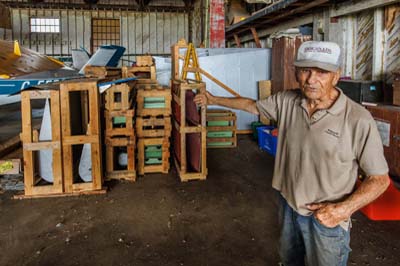 |
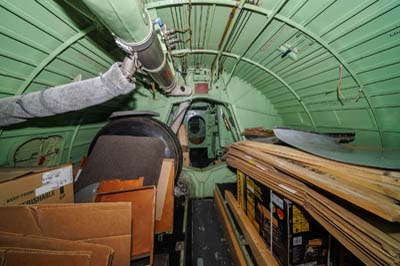
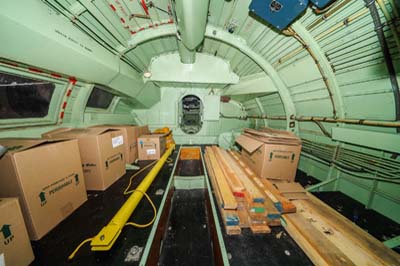
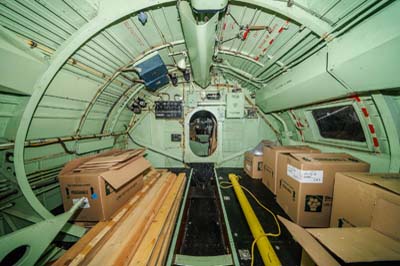
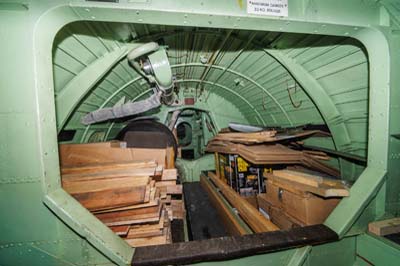
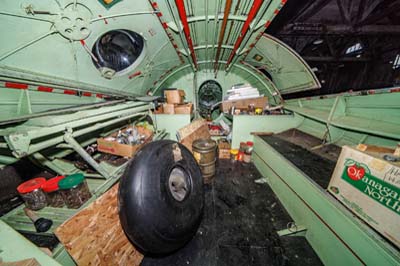
He is showing me some of the crating he has been doing in readiness for a move. |
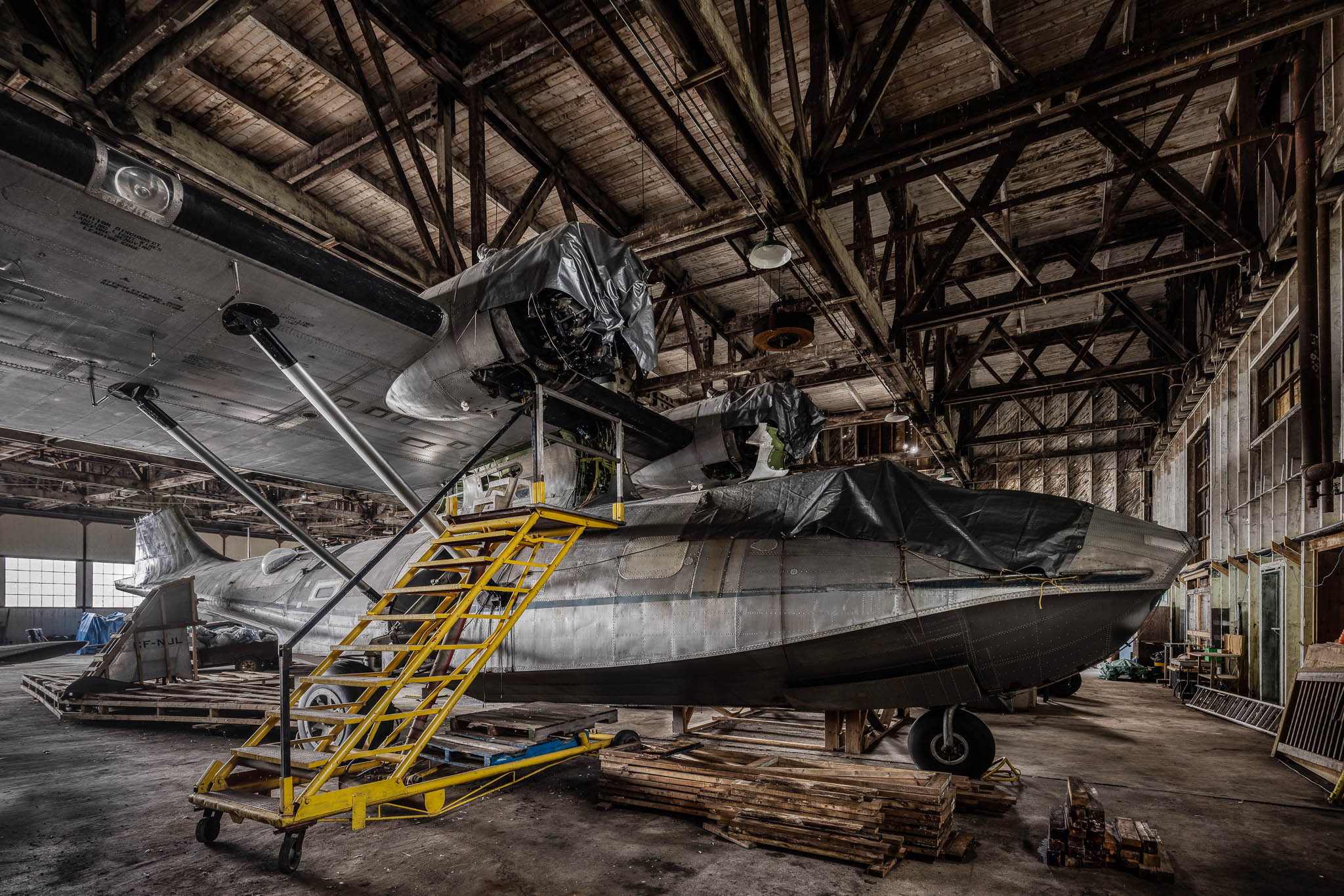
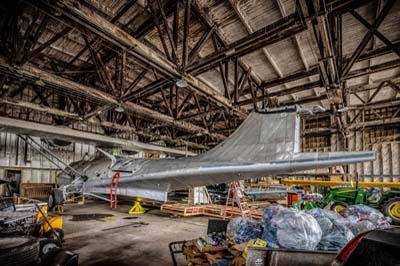
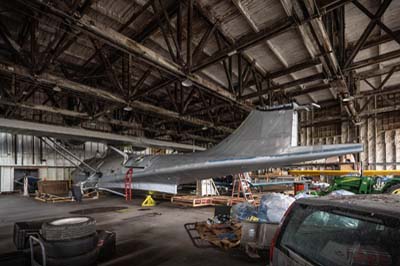
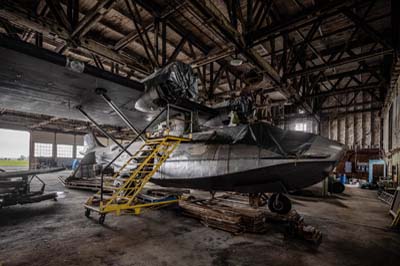
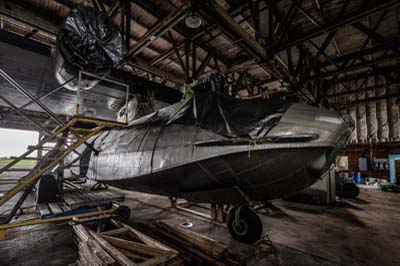
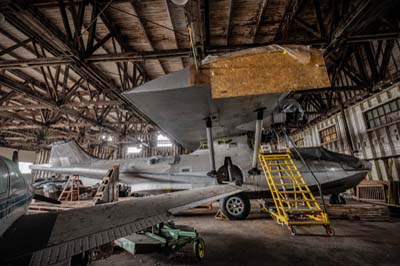
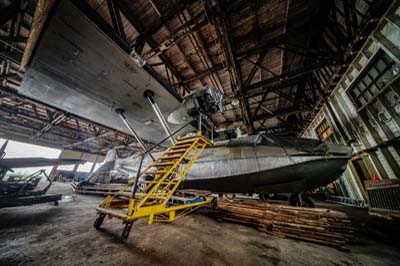
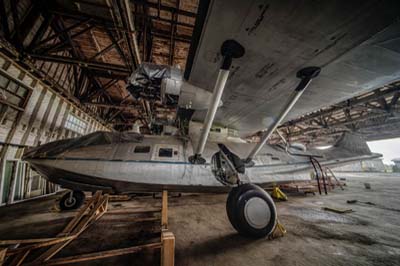
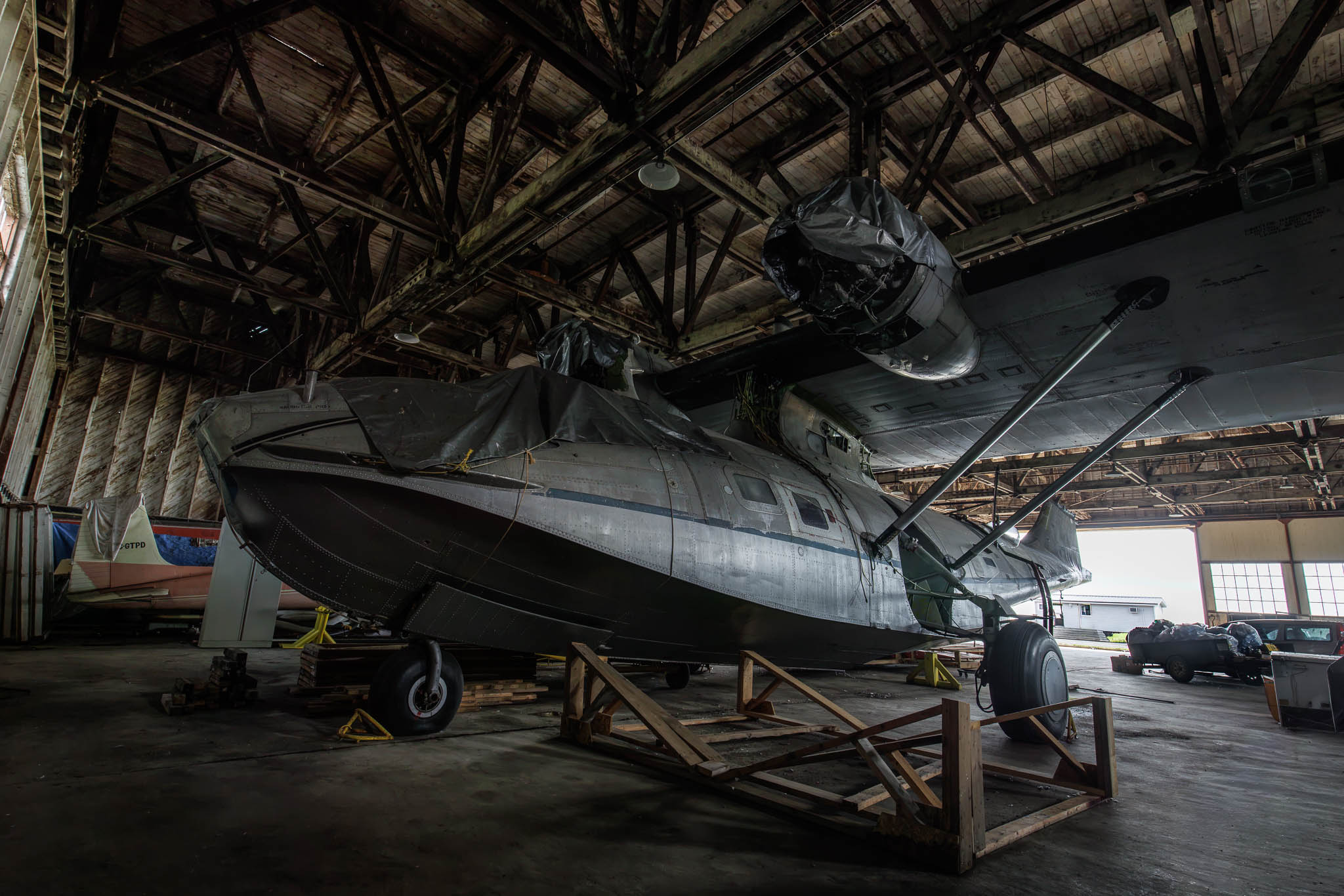
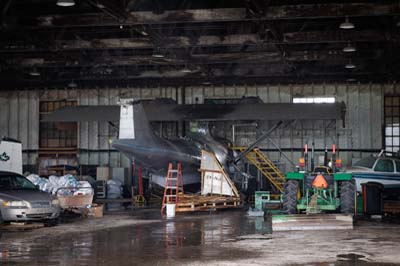
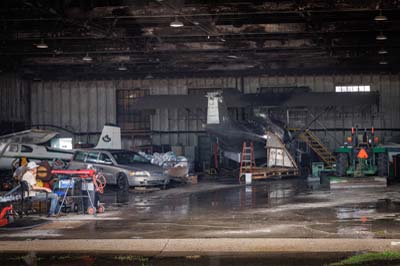
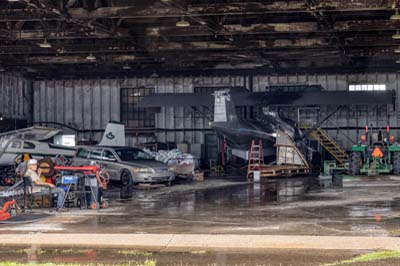
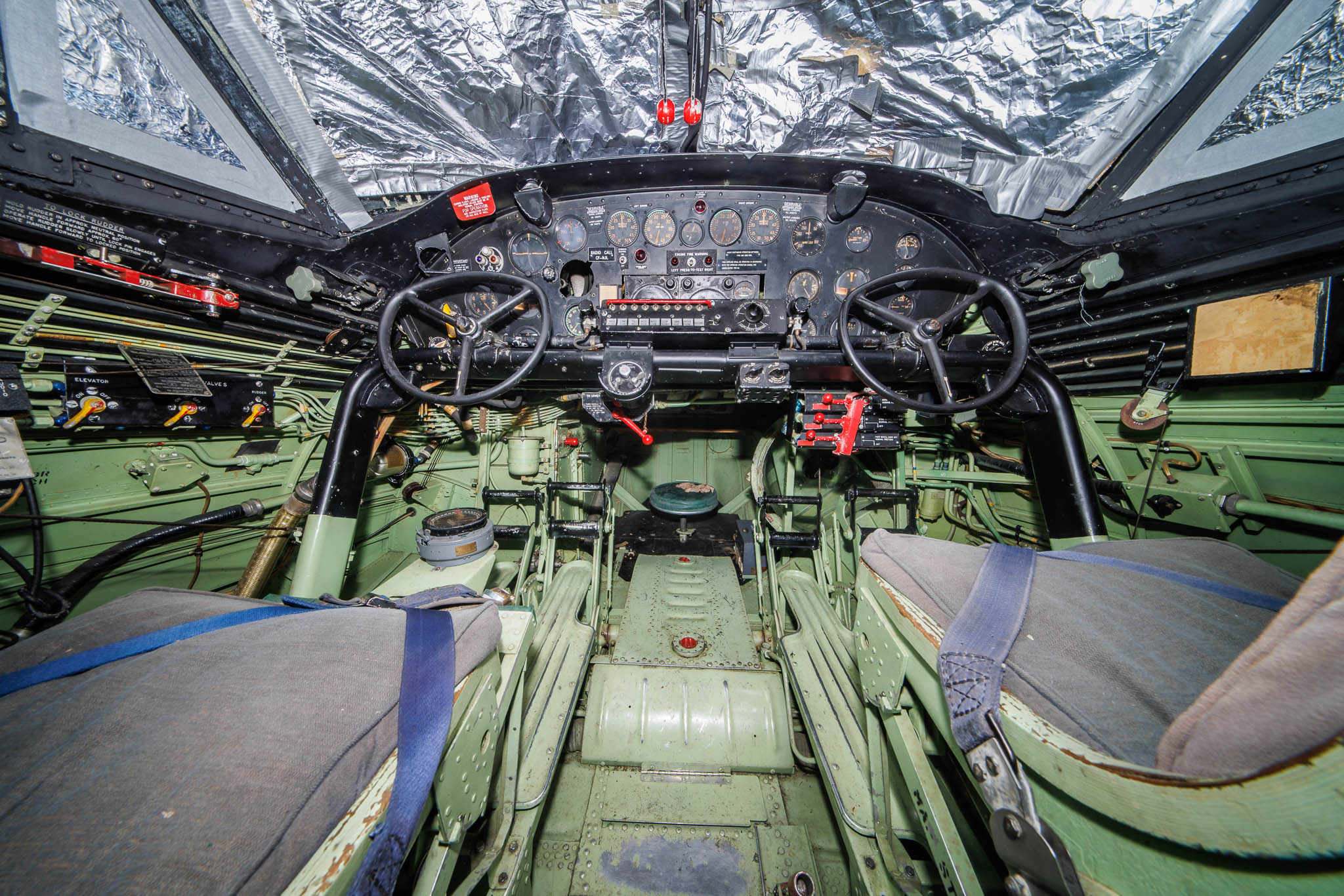
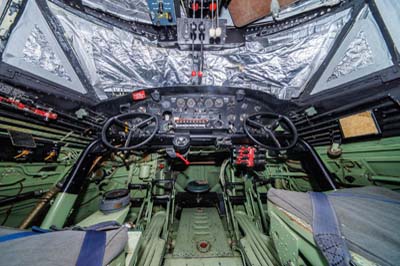
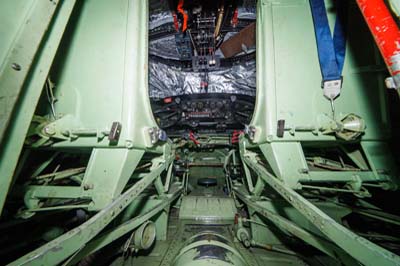
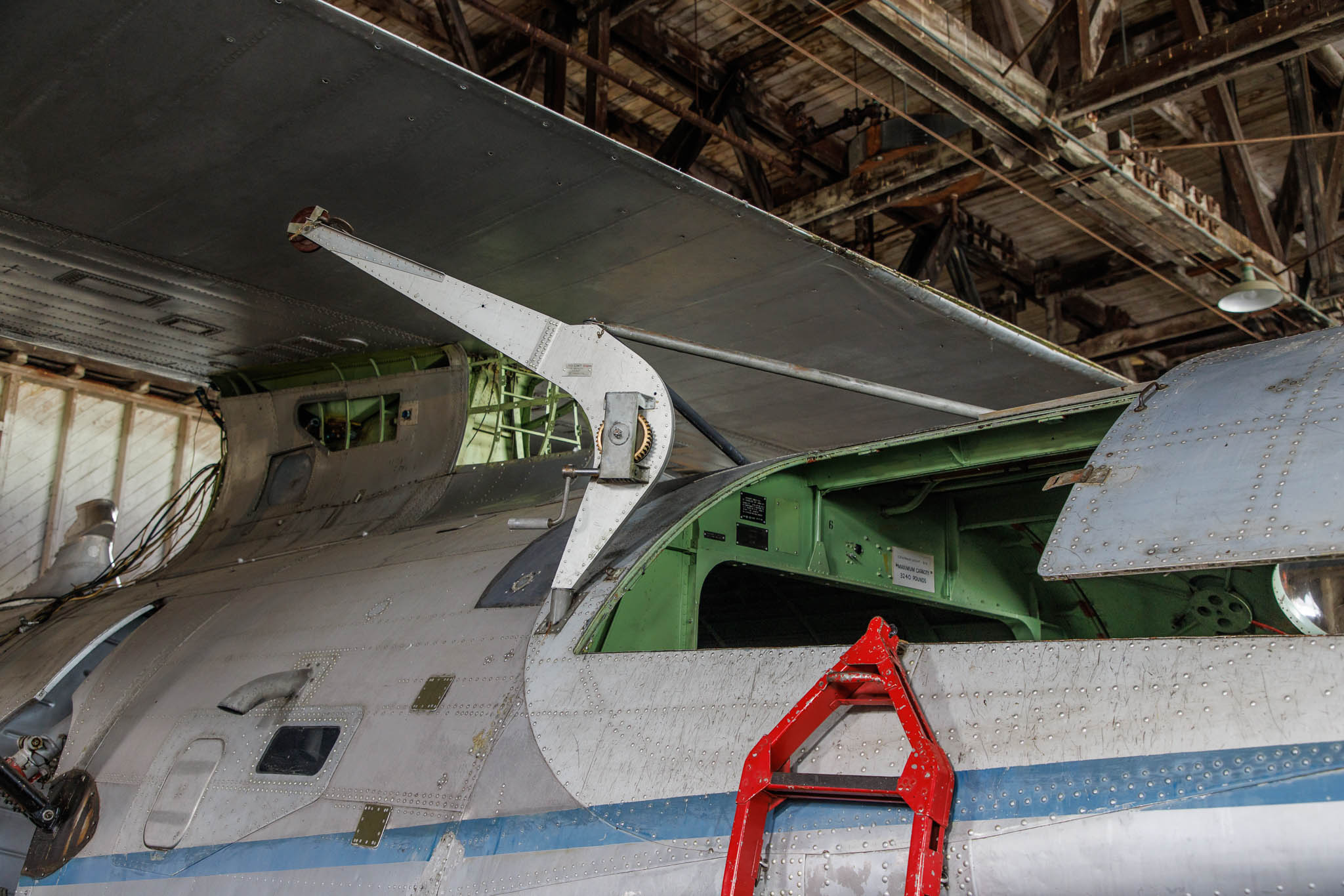
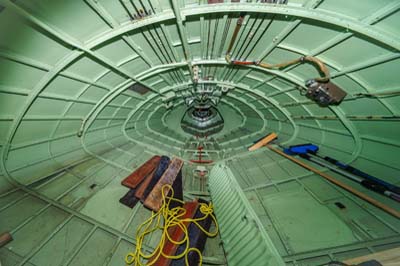
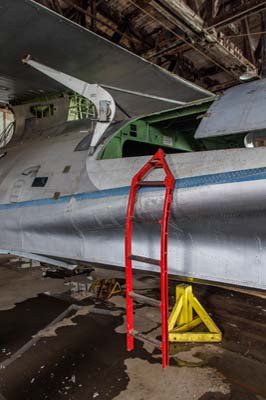
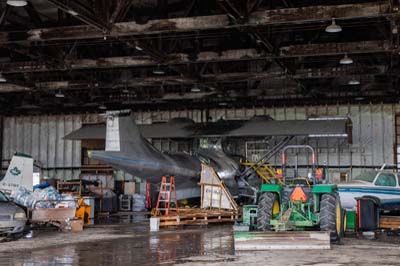
Canadian Vickers PBV-1A Canso A (11093 registered CF-NJL). Built at Cartierville, Quebec, between 1943 and 1944, this Canadian Vickers PBV-1A Canso A, RCAF serial 11093 and later registered CF-NJL, was Canada's licence-built version of the Consolidated PBY-5A Catalina. Delivered to the RCAF's Eastern Air Command on June 16, 1944, it served with 162 (Bomber Reconnaissance) Squadron in Iceland, coded 'D'. Following World War Two, it was converted into a Canso 2F freighter in August 1945 and later served with No.408(P) Squadron and No.413 Squadron. Struck off strength and sold as surplus on April 10, 1961, it was purchased by Edmonton businessman David T. Dorosh and registered CF-NJL in 1962, with plans to operate it as a water bomber. The aircraft was relocated to Gananoque Airport, Ontario, where it became known as "The Ghost of Gananoque" and spent decades stored in a World War Two-era hangar without entering commercial service.
Meeting Canso Owner David Dorosh
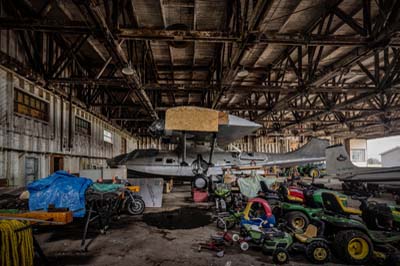
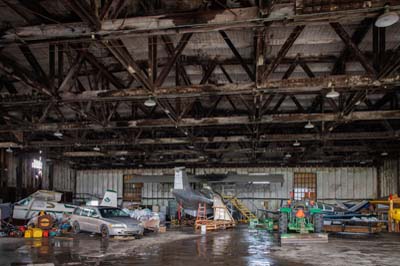
When I arrived at Gananoque, I expected to see the Canso outside, as I had seen it on Google Earth. It was nowhere to be seen, and I wondered whether it had been moved to a museum. After parking, I walked around the hangar, where I met David Dorosh, who was keen to find out why I was there. As I introduced myself, there it was, the Canso, tucked away at the back of the hangar! I explained that I had been following the story of his aircraft and asked whether I could take some photographs. "Yes, of course, help yourself," he replied. For the next hour or so, David showed me around the Canso, inside and out, sharing its history and explaining its current situation.
David was reluctant to be photographed, insisting, "It's the Canso that matters, not me." I pointed out that he was also an important part of the story of the aircraft's survival. Eventually, he relented and asked, "OK, where do you want me?" I jokingly remarked that his jeans were a little scruffy. Laughing, he suggested I photograph him from the waist up!
David explained that the Canso was initially flown to Ottawa for conversion, then moved to Kingston, where it remained in storage for several years. When the authorities began pulling down some of their hangars, an alternative home was found at Gananoque, and the aircraft was flown there in 1966. His original intention, together with his partners, had been to convert it into a water bomber for fighting forest fires.
A Hangar Slowly Falling Apart
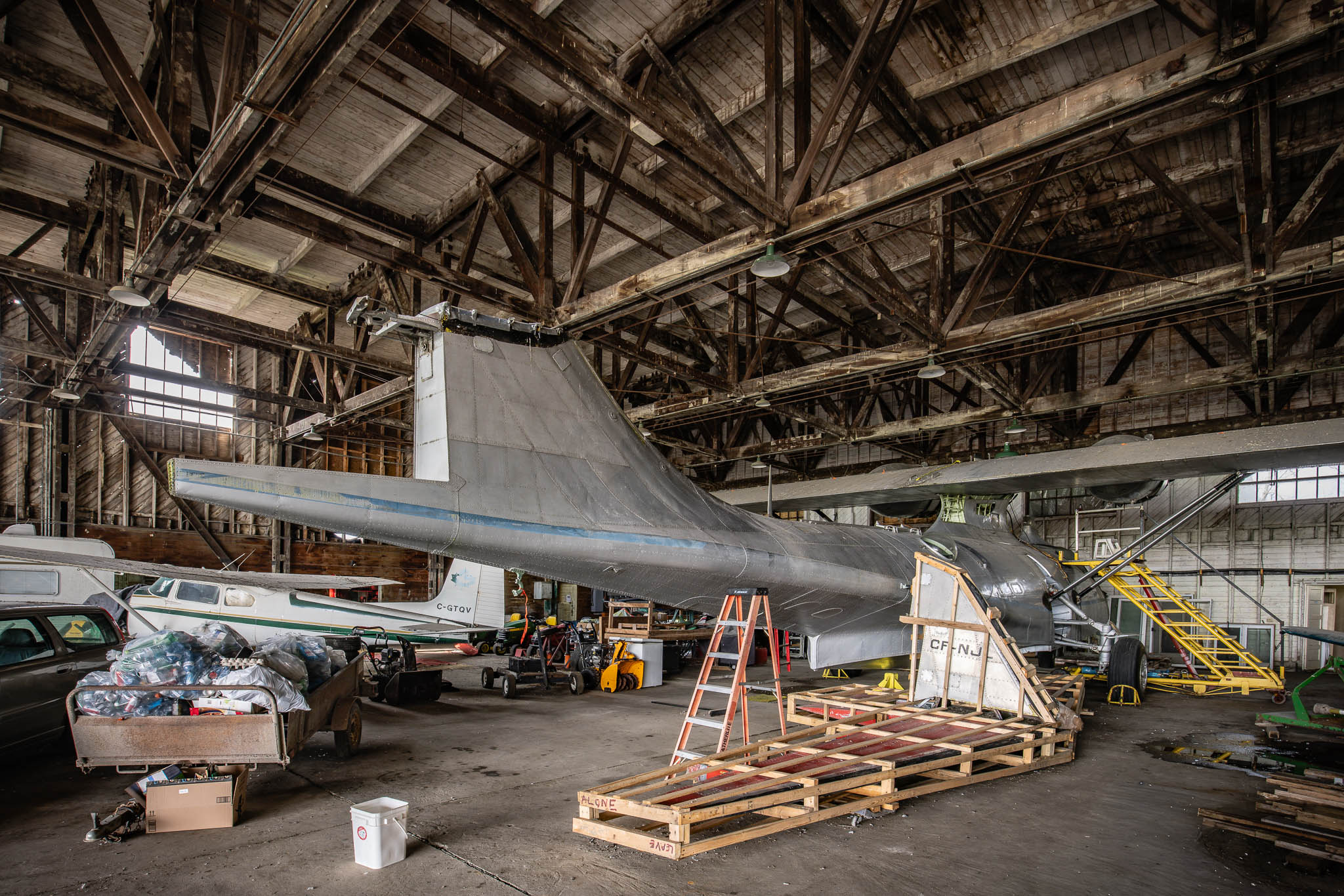
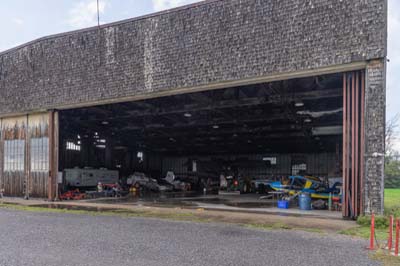
Interestingly, David does not own the hangar, only the Canso. "There were six owners, but only three are still alive," he told me. The hangar itself is a remarkable survivor from World War Two, but its future looks bleak. David believes it is unlikely to be saved and fears that eventually the roof will collapse. The last repairs were carried out in 2003, and the roof now leaks badly during heavy rain. During my visit, during a brief thunder storm water was splashing onto the floor throughout the building. Even when the sun came out, it was still "raining" inside! The delay before the dripping finally stopped was quite amusing, although the underlying problem was anything but.
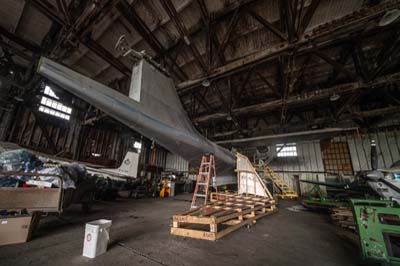
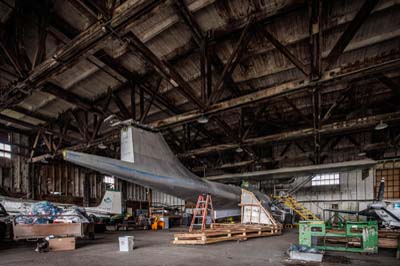
The hangar doors were another concern. The heavy bi-folding doors on the left side could no longer be opened because their supporting crossbeam was unable to bear the weight. The suspended doors had been swinging in the breeze for years, until the structure could not now support them safely. A steel post was installed to support the centre of the beam. Unfortunately, this meant the Canso could not now be moved in and out of the hangar with its wings attached. David therefore had to remove the outer wing sections to manoeuvre the aircraft through the restricted opening.
Preparing the Canso for a New Home
David has since removed the rudder, elevators and other components, carefully crating them for safe transportation. He was particularly dismayed that some cadets had made holes in the fragile fabric-covered control surfaces. Much of the crating work still remained to be completed. After all these years, David's main wish is simple: to find the Canso a good home where it can be preserved for future generations. He told me that the following week he planned to move the aircraft outside in preparation for a meeting with the Canadian Bushplane Heritage Centre in Sault Ste. Marie, Ontario. The aim was to explore whether the museum could take ownership of the Canso and preserve it as part of its collection.
It would be a considerable undertaking. The aircraft would need to be dismantled further, and funding secured to transport it around 500 miles across the province. Nevertheless, this offered a possible lifeline for an aircraft that had spent decades sheltered in its ageing hangar.
As I left, I hoped that David's determination would be rewarded and that the "Ghost of Gananoque" would finally find a permanent home where its remarkable story could continue.
Gananoque Airport
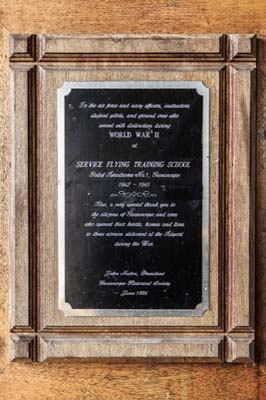
Gananoque Airport retains its original triangular runway layout, a distinctive feature of airfields established under the British Commonwealth Air Training Plan (BCATP). Opened in 1940, it became an official BCATP facility in 1942, serving as a relief landing field for the RAF's No.31 Service Flying Training School at nearby RCAF Kingston. The station remained operational until its closure in 1945.
The British Commonwealth Air Training Plan (BCATP)
The BCATP was one of the largest aviation training programmes of World War Two, training more than 130,000 Allied aircrew in Canada, primarily from Canada, Great Britain, Australia and New Zealand. Canada offered vast open spaces, favourable flying conditions and, crucially, distance from the fighting in Europe. The programme trained pilots, navigators, bomb aimers, wireless operators, air gunners and flight engineers, ultimately supplying a substantial proportion of the aircrew serving with the RAF, Fleet Air Arm, RAAF, RCAF and RNZAF.
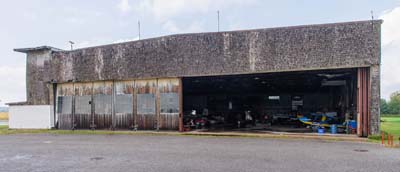 |
The BCATP hangar, sadly it's days are numbered. |
The agreement aimed to train almost 50,000 aircrew annually, including 22,000 from Great Britain, 13,000 from Canada, 11,000 from Australia and 3,300 from New Zealand. Elementary training was generally completed in each aircrew member's home country before they travelled to Canada for advanced instruction.
The first Canadian training course began on April 29, 1940, with 166 recruits. The programme rapidly expanded, resulting in the construction of 701 hangars and the development of 176 new locations. Between 1940 and 1943, Canada established 88 primary and 88 relief airfields, incorporating existing municipal and regional facilities into a network of 231 training locations across the country.
The BCATP ended on March 31, 1945. By then, 131,553 trainees, including 49,808 pilots, had graduated. The Canadian government contributed approximately $2 billion towards the programme's total cost of $2.25 billion, making it one of Canada's largest wartime undertakings.
BCATP Hangars
The 701 hangars constructed for the BCATP were never intended to survive for eight decades. Remarkably, however, many remain standing today, serving a variety of purposes. Their distinctive roofs and structural supports feature long, heavy timber beams, meticulously milled from Douglas fir transported from British Columbia. With steel in short supply, builders relied on prefabricated wooden trusses and heavy timber frames. Construction crews could erect the complete wooden framework of a standard hangar in less than eight hours, while the exterior walls were clad in cedar shingles. These surviving structures remain a tangible legacy of Canada's enormous contribution to Allied aircrew training during World War Two. |